 Reviews


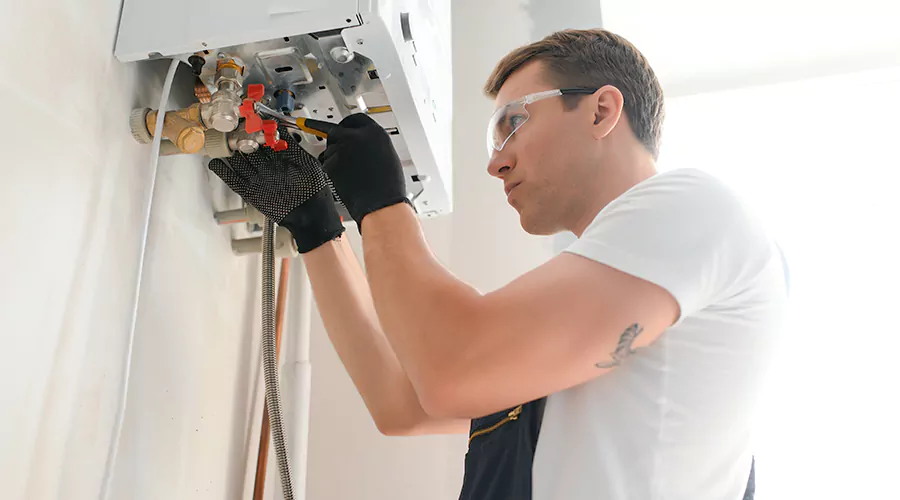
The most common problem with a gas hot water heater is a failed thermocouple that shuts off the pilot light, and replacing one costs $100 to $325. The part exists to cut gas flow when the pilot dies, so its failure looks exactly like a broken heater.
Gas water heater problems concentrate around the flame. The pilot and its sensor and the gas control valve cause most cold showers.
The pilot window tells most of the story before any tool comes out. This guide reads it symptom by symptom.
How the Gas Side Works?
Four parts manage the flame under every gas tank. The pilot light or igniter starts combustion. The burner does the heating. The gas control valve meters the fuel. A heat sensor stands guard over all of it.
The guard works on physics. The thermopile converts heat from the pilot flame into a small electrical current that holds the internal gas valve open. A dead pilot kills the current and the valve snaps shut on its own. Older single-sensor designs call this part the thermocouple, and either version fails the same way: the safety system works perfectly while the aging sensor reports a false alarm.
Heat delivery finishes the loop. The burner heats the water through the tank bottom and through the central flue tube until the setpoint arrives and the valve closes.
Thermocouple and Pilot Failure Leads the List
Sensor failure tops the gas repair charts the way elements top the electric ones. Gas water heater repairs come from pilot light problems and thermostat issues and a failed thermocouple with the thermocouple leading. Age hardens the sensor tip until it stops making current even in a healthy flame.
The pattern is unmistakable. The pilot lights and burns while you hold the control knob, then dies the moment you release it. That release test is the thermocouple confessing since your thumb was doing the sensor's job of holding the valve open.
Pricing stays gentle at this tier. A professional pilot relight visit runs $50 to $200 while an igniter replacement runs $75 to $350. Most gas hot water problems genuinely end at this window.
Insider tip: A healthy pilot burns steady blue and wraps the sensor tip in flame. A lazy yellow flame that barely touches the tip mimics sensor failure without the sensor being guilty.
No Hot Water at All
A gas water heater not working at all has lost its flame entirely. Cold water at every tap means no combustion is happening. Work the chain from the pilot outward.
Confirm the scope first. Gas hot water not working at every faucet blames the tank rather than a fixture. Then run the sequence:
- Check the pilot window: A gas water heater stopped working overnight usually lost its pilot to a draft or a brief gas interruption.
- Relight by the label only: Follow the safety manual's instructions and never light by hand if the heater has an electronic ignition system.
- Run the release test: A gas hot water heater not working after a successful relight that dies on knob release has a spent thermocouple.
- Check the gas supply: Confirm the valve handle on the supply line runs parallel to the pipe and other gas appliances still work.
- Suspect the control last: A gas hot water tank not working despite a strong, healthy pilot points at the gas control valve, and a gas control valve replacement runs $300 to $500.
One rule overrides everything. A gas smell anywhere near the tank means leave the house and call the utility's emergency line from outside.
Lukewarm Water or Hot Water That Runs Out
Partial heating means the flame runs weak or the heat gets lost on the way to your shower. A gas water heater not heating water fully usually has a starved burner or a sediment blanket. The pattern narrows it fast.
Sediment steals from below. A gas hot water heater not heating enough for the second shower carries a mineral layer on the tank floor, and sediment slows heat transfer while it overheats and weakens the steel. The popping soundtrack confirms it since steam pushing through the sediment layer makes the popping sound.
Plumbing fakes the same complaint. A gas hot water heater not heating water past lukewarm at every tap may have a broken dip tube mixing cold inlet water straight into the outlet. Combustion problems round out the list because a dirty burner or blocked air intake leaves a gas hot water tank not heating on its old schedule.
Two situational clues help. Searches like water heater not heating water gas peak each winter because colder inlet water exposes a marginal burner. And a gas hot water system not heating right after utility meter work usually just has air in the line that a few pilot relights will purge.
Insider tip: Date the complaint honestly. Gradual decline over months means sediment while overnight decline means a component.
Gas Water Heater Thermostat Problems
The thermostat lives inside the gas control valve on a gas tank, and that changes the repair math completely. Gas water heater thermostat problems can't be fixed at part level because gas thermostats are contained in the gas control valve assembly and the whole assembly must be replaced.
Compare that to the electric world. Electric water heater thermostats replace individually for far less. The gas assembly swap runs $300 to $500 which pushes older tanks toward replacement instead.Symptoms read the same as any thermostat. Water swinging between scalding and cool or a setpoint change that produces no temperature change points here. Test by turning the dial and listening for the burner to respond within a minute.
Troubleshooting by Symptom
Common gas water heater problems map onto six symptom rows. Most gas water heater issues resolve in the first two. Start at your row and escalate only when the fix fails.
| Symptom | Likely cause | First move |
|---|---|---|
| Pilot won't stay lit | Thermocouple | Release test then replace |
| Pilot won't light at all | Gas supply or igniter | Check valve and other appliances |
| Cold water with burning pilot | Gas control valve | Professional diagnosis |
| Lukewarm everywhere | Dip tube or weak burner | Inspect both |
| Runs out fast | Sediment layer | Flush the tank |
| Popping and rumbling | Sediment | Flush the tank |
Scope checks frame the table. A gas hot water system not working across the whole house rules out single-fixture causes. For a hot water system not working gas flow itself is the first check because a half-closed supply valve mimics three different failures.
Insider tip: Most gas hot water heater problems that survive a relight and a flush involve the control valve. Get the model number off the data plate before calling so the tech arrives with the right assembly.
Warning Signs Checklist
Nine signs cover the gas hot water heater issues worth acting on this month. Two or more matches mean schedule a diagnosis. The first two mean act today.
- Any gas odor near the tank at any time.
- Soot or scorch marks around the burner compartment.
- A pilot that needs relighting more than once a season.
- A lazy yellow pilot or burner flame instead of blue.
- Popping or rumbling during heating cycles.
- Hot water running out sooner than last month.
- Rusty or metallic-tasting hot water.
- Moisture or crust at the tank's base.
- A tank past the 8 to 12 year typical lifespan.
What Repairs Cost in 2026?
Gas repairs run higher than electric because the parts cluster in the control valve. Gas system repairs range from $50 to $600 overall. The table shows the 2026 menu.
| Repair | 2026 cost |
|---|---|
| Pilot relight visit | $50 to $200 |
| Thermocouple replacement | $100 to $325 |
| Igniter replacement | $75 to $350 |
| Gas control valve assembly | $300 to $500 |
| Flue pipe repair | $100 to $350 |
| Average repair nationally | $615 with a $90 to $1,800 range |
The replacement line sits where it always does. Repairs under $300 often prolong the unit's life while a unit over 10 years old or leaking makes replacement more cost-effective.
Insider tip: Compare at least three plumbers and schedule weekday hours when the problem isn't urgent. A cold shower is unpleasant and an emergency surcharge is optional.
When to Call a Professional?
Gas moves the DIY line far earlier than electric tanks do. Combustion and venting and fuel all carry risks that warrant the license. Four triggers settle it.
- Any gas smell: Leave first and call the utility from outside with no switches touched.
- Soot or scorching anywhere: Bad combustion produces carbon monoxide and needs professional eyes immediately.
- A gas control valve diagnosis: Fuel-side part swaps belong with licensed hands.
- Venting problems: The vent carries poisonous exhaust out of the home and any doubt about draft is a same-week call.
The homeowner lane stays real but narrow. Relighting a standing pilot by the label and flushing the tank and testing the relief valve all sit safely on your side of the line.
Prevention Protects the Flame
Sediment and neglect cause the preventable half of every failure above. Three habits guard the burner and the tank for under an hour a year. Most gas hot water system problems trace back to a skipped flush or a $15 part left to age.
- Flush annually: Draining a few gallons removes the sediment that insulates the burner from the water.
- Check the anode rod at year three: Replacing it past the halfway-corroded mark can add years to the heater's life.
- Keep the burner area clear: The flame needs combustion air and stored boxes steal it.
- Watch the pilot color monthly: Blue means healthy while yellow means book a cleaning.
Conclusion
One aging sensor causes more cold showers than everything else on a gas tank combined. The release test convicts the thermocouple while a burning pilot with cold water convicts the control valve. Gas smells and soot skip the checklist and go straight to professionals. This week, glance at your pilot window and note the flame color. Ten seconds of blue is the cheapest reassurance in home maintenance.
FAQs
Can I replace a thermocouple myself?
Handy owners do on standing-pilot models with the gas off. Any doubt about the steps makes the $100 to $325 visit money well spent.
Why does my pilot go out on windy days?
Downdrafts through the vent snuff it. Repeated wind outages deserve a draft check rather than endless relighting.
Does a gas water heater work during a power outage?
Standing-pilot atmospheric models keep working. Power-vent and electronic-ignition units stop until electricity returns.
How long should a relit pilot take to restore hot water?
Roughly 30 to 45 minutes for a full tank recovery on a 40-gallon unit.
What does a rotten egg smell from the hot water mean?
That's usually anode rod chemistry rather than a gas leak. A gas smell near the tank itself is the emergency version.
Is yearly maintenance really worth it on a young tank?
Yes. Preventative care can extend a water heater's life by 3 to 5 years for the cost of one flush.